How Do You Turn Any Space into a Smart Venue?
For many venues, the issue comes down to outdated processes that no longer meet modern expectations. Whether you’re managing a function centre, running a corporate roadshow, or setting up a wedding reception, you’re likely juggling last-minute updates, layout changes, and miscommunications.
These challenges cost time and create unnecessary stress.
Without a smart venue setup, even the best-equipped teams face friction. It’s like running a major production without a clear script. Everyone is trying to do their job. However, no one is entirely in sync.
Venue managers often struggle to quickly show clients how a room can be styled or scaled. Corporate teams must coordinate internal approvals, logistics, and layout changes across various departments.
Caterers, AV suppliers, and stylists rely on accurate setups. Yet they are frequently working from vague floor plans or verbal instructions.
 Confusion builds across departments and suppliers
- Delays become harder to avoid as changes stack up
- Staff waste time redoing work they thought was already approved
- Suppliers arrive unsure of where to set up their operations
- Clients feel uncertain because nothing looks final
- The pressure rises with every update, and instead of feeling polished and professional, the entire event experience becomes rushed, reactive, and disorganised.
So, what is really causing these breakdowns in event planning?
Why are so many well-equipped spaces still facing basic coordination issues during live events?
It comes down to one core shift: the way we manage events, and how venues use connected technology to stay ahead.
According to PwC’s insight on smart venues, forward-thinking venues are reshaping the guest experience by embracing truly connected systems. With cloud platforms, smart devices, and real-time data, they’re delivering seamless and personalised journeys that blend physical spaces with digital interaction.
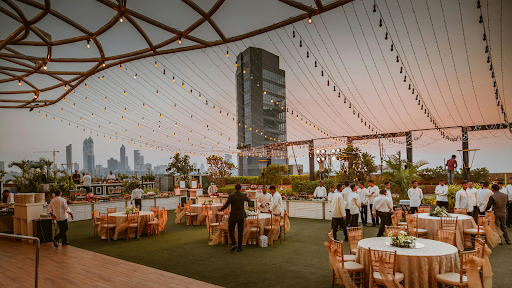
Let’s explore how changes in event technology and rising client expectations are driving the shift toward smarter, more connected ways to plan and deliver events.
What is a Smart Venue?
A smart venue is a modern event space that uses connected technologies and embraces innovation to improve how events are planned, managed, and experienced.
These venues are designed to support faster communication, more precise coordination, and more responsive decision-making at every stage of the event.
Instead of relying on manual processes or disconnected systems, a smart venue brings everything together through:
- Event technology tools like digital ticketing, mobile apps, and interactive floor plans
- Event diagramming software that helps visualise layouts, seating, and setups in real time
- Live data feeds from sensors and devices to monitor crowd flow, environmental changes, or room capacity.
- Connected platforms that allow venue managers, vendors, and planners to work from the same plan
- Automated systems for routine tasks such as check-ins, lighting, or room transitions.

Now that you know what a smart venue is, let’s break down the core technologies driving the change. These tools aren’t just trends. They are part of the ongoing technological evolution that supports more efficient and smart event planning across all types of venues.
Top 7 Technologies Every Smart Venue Needs
A smart venue doesn’t just look modern. It operates in a way that solves real planning problems. These venues utilise connected tools that enable teams to communicate, respond more quickly, and achieve better results.
So what makes a venue smart?
It’s the ability to plan more efficiently, adapt quickly, and coordinate effectively, regardless of the event’s size or the number of teams involved.
Here are the top seven technologies helping smart venues stay ahead in a fast-moving event technology space.
1. Event Diagramming Software
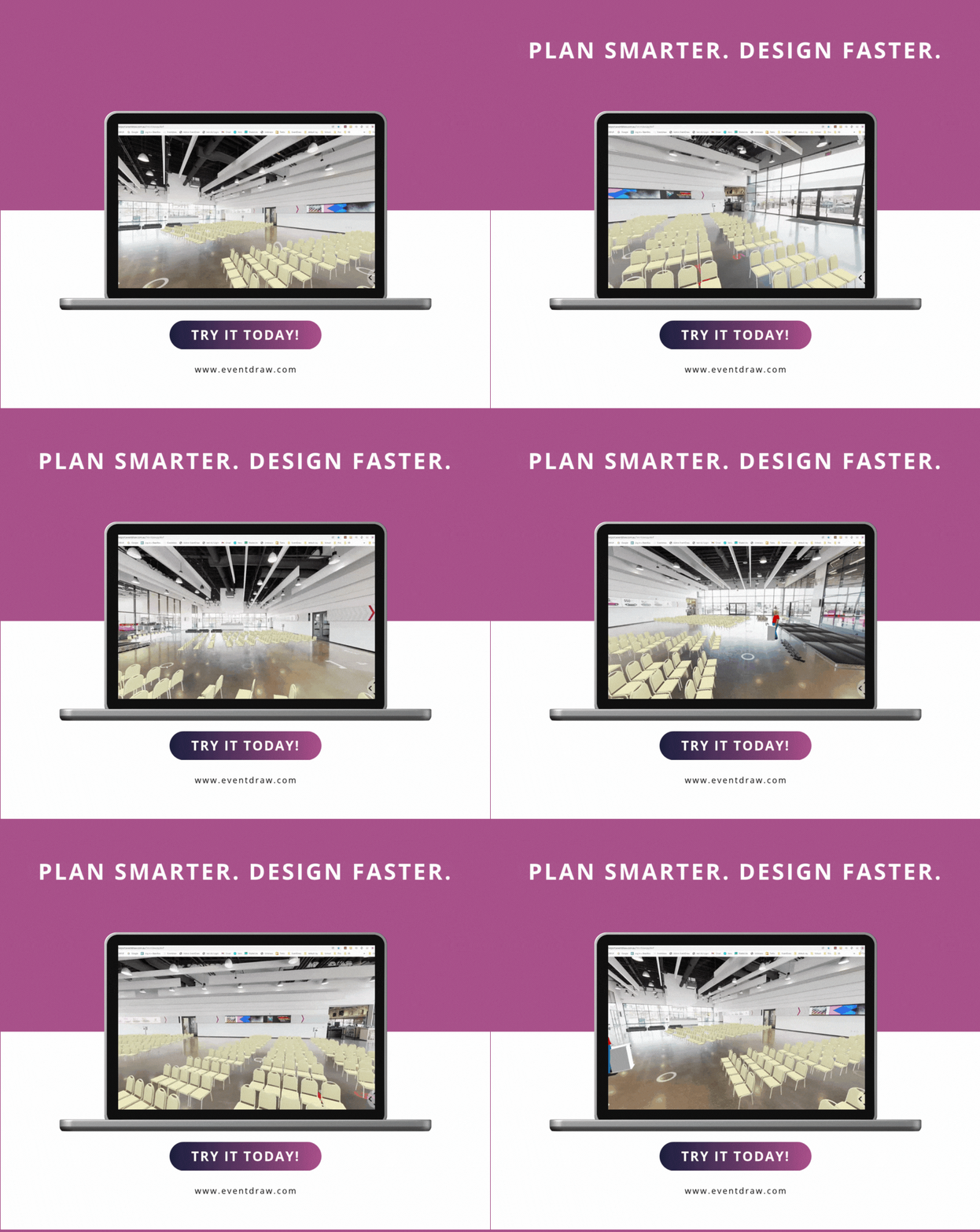
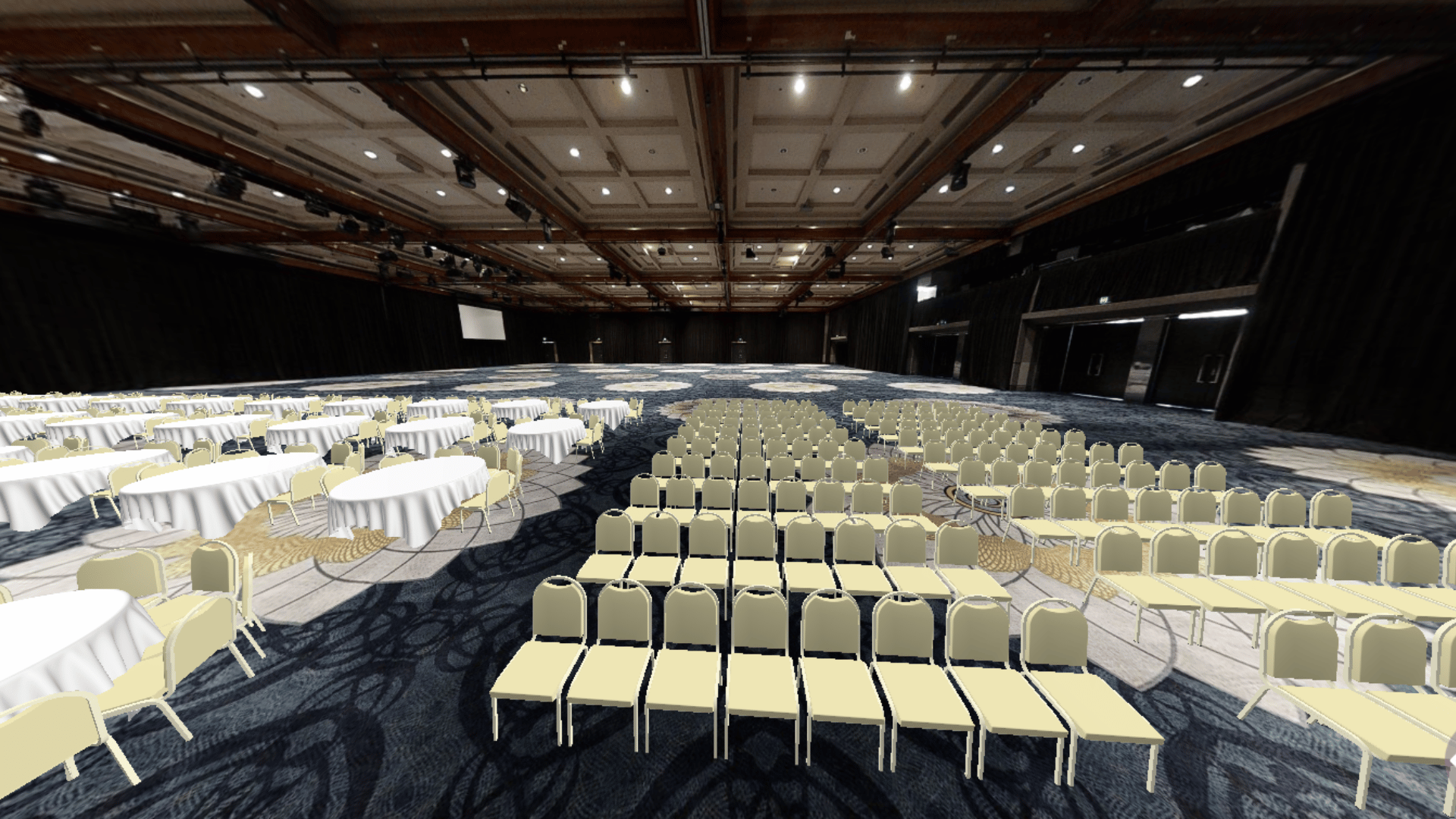
Smart venues don’t rely on static PDFs or hand-sketched layouts. They use event diagramming software to build accurate, professional floor plans in both 2D and 3D transparent formats, giving everyone a clearer view of the layout.
Teams can drag and drop from thousands of furniture pieces to design everything from banquet setups to stage lighting layouts.
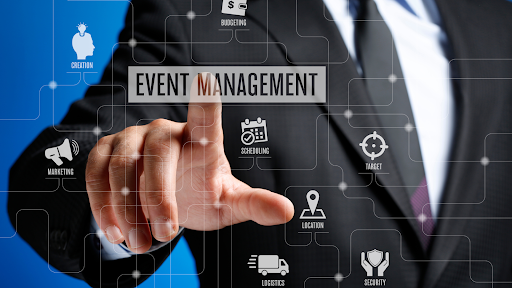
Plans, including Immersive 3D layouts, can be updated in real time and shared across departments or teams.
One large function centre, for instance, was able to present three floor plan options to a corporate client within an hour using digital diagrams. That simple change helped them close the booking more quickly while keeping the catering team and AV suppliers aligned from the start.
2. IoT and real-time data
Sensors placed throughout smart venues support real-time event monitoring, tracking data like air quality, crowd flow, and equipment usage.
This information enables teams to make informed, real-time decisions. They can open additional entry points, adjust lighting, or respond more quickly when something isn’t working as expected.

3. Mobile apps for communication
An event mobile app supports both attendees and staff before, during, and after events.
Guests can check schedules, view interactive maps, and get updates about timing or access points. Behind the scenes, internal teams can coordinate using live alerts, chat tools, and notifications, eliminating the need for in-person regrouping.

4. Augmented and virtual reality (AR/VR)
AR and VR play a growing role in augmented reality events, helping venues tell a story before a single chair is placed.
Clients can take virtual venue tours, explore seating views, or see how their brand activation might look on a full scale.
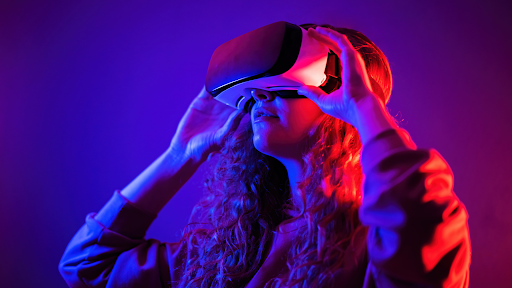
Take Coachella, for instance. The festival blends tech and experience, setting the stage for future-forward formats like virtual reality concerts that extend the live experience beyond physical boundaries. It adds a layer of interaction that enhances attendee engagement, surpassing traditional signage or static programs.
5. Artificial intelligence (AI)
AI tools work alongside venue analytics to personalise the experience for both organisers and attendees. These tools are at the heart of AI event management, where systems can suggest layouts based on past events, recommend crowd flow adjustments, or automate key parts of the setup schedule.

6. Sustainable venue technology
Sustainable venues are expected to lead the way by using smart systems that reduce environmental impact and improve efficiency.
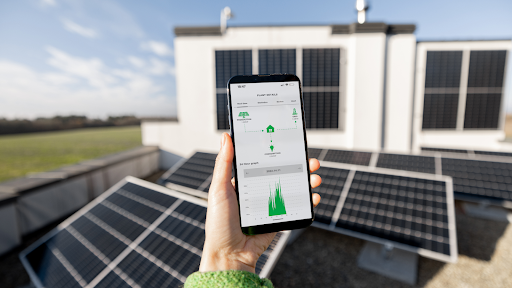
Many now use smart energy management systems, solar panels, rainwater systems, and energy-efficient lighting.
Others take it a step further by supporting zero waste events, digitally tracking waste output and optimising HVAC usage based on real-time data.
7. Venue management software
Instead of juggling emails, spreadsheets, and sticky notes, a digital venue relies on centralised systems that simplify communication and task management.
These platforms are part of a complete digital event management approach, handling everything from bookings and timelines to vendor communication and room availability.

The 7 Key Benefits of Using Smart Venue Technology for Better Event Planning
Smart Venue brings teams together, streamlines communication, and supports a more polished, professional experience from start to finish. Whether you’re managing a stadium, styling a wedding, or coordinating internal events, the benefits apply to every type of space and every team involved.
1. Faster and clearer communication
When venue managers, suppliers, and clients can work from the same plan in real time, there’s less room for confusion. Live updates, shared dashboards, and digital collaboration tools reduce the need for constant calls or repeated emails. It keeps everyone aligned without slowing down the process.

2. Better layouts with fewer mistakes
Tools like event diagramming software help you create accurate floor plans in minutes. You can drag and drop from thousands of furniture pieces, use real measurements, and share interactive 2D or 3D layouts. This eliminates guesswork and helps prevent errors in setup or compliance.
3. Centralised venue management
Using venue management software and other event planning tools designed for advanced event management, you can manage venue operations, including bookings, room schedules, staff rosters, and supplier timelines, from a single platform.
This provides a clear overview of all moving parts, reducing the stress of juggling spreadsheets or paper-based plans.
4. More personal guest experiences
Smart venues support audience analytics and real-time data to help tailor the event experience. Whether it’s personalising check-in messages, recommending food options, or adjusting seating zones, small touches make guests feel seen and valued.

5. Smarter crowd management
With live insights from sensors and tracking tools, you can manage foot traffic more easily. Smart venues use this data to reduce congestion, redirect flow, and enhance safety. It helps teams stay ahead rather than reacting too late.
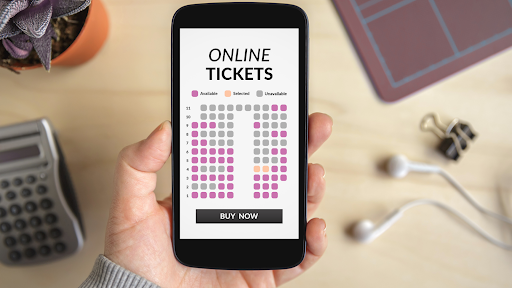
6. Seamless smart ticketing and access
Contactless ticketing, along with other digital ticketing tools, improves the arrival experience by making entry faster and safer.
Attendees receive mobile tickets, check in contact-free, and get real-time updates. This not only cuts queue times but also improves access control and security.
7. Better decisions through event data
A smart venue setup captures valuable data across the entire event lifecycle. From attendance patterns to heat maps and session popularity, these insights help you improve layout design, vendor selection, and marketing strategies in future events.
8. Scalable for any size venue or team
Smart venue systems work just as well in small function rooms as they do in large arenas. Whether you’re running five-person workshops or full stadium shows, the same tools scale with your needs, with no extra effort or complexity.
9. Easier collaboration across departments
From sales and marketing to catering and AV, smart venues give every department access to the same live plan. This removes the silos that often slow things down and makes cross-team coordination much smoother.
10. Stronger client confidence and satisfaction
Clients feel more confident when they can see real-time layouts, clear timelines, and flexible options. This transparency fosters trust and often helps close bookings more quickly, especially when clients feel included in the process.

How EventDraw Powers Smarter Event Planning?
Smart venue technology only works when your planning tools are just as smart. That’s where EventDraw stands out. It gives you everything you need to create accurate, flexible, and visually impressive floor plans. Everything happens faster, with less guesswork and more clarity.
From layout design to real-time collaboration, here’s why EventDraw is essential for bringing smart venues to life.
1. Build accurate 2D and 3D layouts in minutes
With drag-and-drop simplicity, EventDraw lets you design realistic room setups using true-to-scale measurements. You can switch between 2D and 3D views to visualise your layout from every angle. This helps clients and staff clearly understand how the space will look and function before the event.

2. Access over 5,000 furniture shapes
You can choose from thousands of pre-loaded furniture and equipment items, including banquet tables, staging, AV setups, and more. This speeds up your workflow and ensures accurate planning without needing to start from scratch.
3. Design and save your own custom shapes
For venues with specific needs, EventDraw allows you to create and save your own custom furniture, fixtures, or zones. This feature is ideal for layouts that don’t fit the standard mould or require tailored setup options.
4. Collaborate with unlimited users
EventDraw supports unlimited users. This enables teams, clients, stylists, and suppliers to collaborate in real-time. Everyone has access to the same version of the plan, which reduces delays, duplication, and last-minute miscommunication.

5. Update floor plans in real time
Real-time editing is just one feature that supports event automation, allowing you to make layout changes during walkthroughs, client meetings, or setup days.
These updates are instantly available to everyone involved, which helps keep the entire team in sync and confident in the plan.
6. Support any type of event
EventDraw is flexible enough to support every type of event, from weddings and expos to concerts, council-run forums, and Government & Council community events.
Whether the event is big or small, indoors or outdoors, the platform adapts to suit your layout needs.
7. Track seating and guest details
You can label tables, assign guests, and organise zones for catering, VIP access, or security, all while supporting seamless event attendee tracking across the venue.
This makes it easier to manage crowd movement, assist with ticketing, and ensure a smoother experience for attendees and suppliers.
8. No lock-in contracts
With EventDraw, you are free to use the software as much or as little as you need. There are no long-term contracts, allowing you to scale your usage up or down to suit your venue’s workflow and event calendar.
9. Scales with your venue
Whether you create a few layouts each month or manage thousands per year, EventDraw is designed to keep up. It supports both large and small venues and is designed to handle growing event portfolios without slowing you down.
10. Seamlessly fits into your smart venue ecosystem
EventDraw complements the rest of your event technology stack. It works alongside venue management software, event planning tools, smart ticketing systems, and other digital solutions, helping to connect every part of the planning process in one visual hub.
Final Thoughts: Looking Ahead at the Future of Smart Venues
Smart venues are no longer a concept for tomorrow. They are already reshaping how we plan, manage, and deliver better live events. To operate at this level, it is not just about having connected systems; it is also about having a unified approach to management. It’s about having the right event planning tools that help your team work clearly and confidently from the very start.
So here’s the question:
If your space has the potential to be a smart venue, what’s holding it back from realising its full potential?
Are outdated diagrams, slow approvals, or layout miscommunications still part of your process?
EventDraw combines all the features of leading-edge event diagramming software into a single platform. It complements your broader event technology stack, works seamlessly alongside your venue management software, and provides your team with the flexibility to adapt, scale, and deliver improved results.
Most importantly, it does this without adding complexity to your workflow. As the industry continues to evolve, so do the expectations of clients, attendees, and internal teams.
The future belongs to venues that can plan faster, collaborate more easily, and make smarter decisions by leveraging tools like event data analytics and other smart venue technologies.
If you’re ready to step into that future with clarity, confidence, and complete visual control, now is the perfect time to make EventDraw part of your smart venue toolkit.
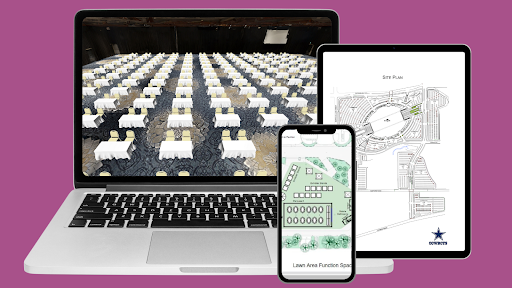
Request a demo with our team today and discover how EventDraw can streamline your planning, enhance collaboration, and bring your smart venue to life.
Frequently Asked Questions
1. What are the most important features of a smart venue?
A smart venue includes connected tools like event diagramming software, IoT sensors, smart ticketing systems, and venue management platforms. These features help improve communication, planning accuracy, and overall guest experience.
2. Can a small venue become a smart venue?
Yes. Smart venue technology scales easily, so small spaces like community halls or boutique function rooms can still benefit from tools like event diagramming software, mobile apps, and digital check-ins without needing a large investment.
3. What’s the difference between event diagramming software and venue management software?
Venue management software helps with bookings, calendars, and resource allocation. Event diagramming software focuses on planning tools, real-time updates, and visual layout design, often including features like 2D/3D floor plans, collaboration, and live edits.
4. Do smart venues help with sustainability?
Absolutely. Smart venues often include energy-efficient systems, digital signage, and waste tracking. Tools like EventDraw also reduce printing, rework, and physical walkthroughs by allowing everything to be handled digitally.
5. How does smart venue technology support hybrid or virtual events?
Smart venues can integrate with AR/VR platforms, live-streaming tools, and digital access systems. This allows planners to design spaces that support both in-person and virtual guests, creating a seamless experience for both.
6. What role does crowd management play in a smart venue?
Crowd management is essential. Smart venues utilise real-time data to monitor traffic flow, identify bottlenecks, and make on-the-fly adjustments to layouts or staffing. This keeps guests safe and improves traffic across event spaces.
7. Can smart venue tools help with compliance and safety?
Yes. With digital planning tools and live updates, venues can ensure layout designs meet safety standards, emergency access rules, and distancing guidelines, all with clear records for compliance checks.
8. How does event diagramming software improve client presentations?
With interactive 2D and 3D layouts, planners can show clients multiple layout options, real-time edits, and detailed setups. This builds confidence, shortens approval times, and helps close bookings faster.
9. What kind of training is required to use smart venue platforms like EventDraw?
Very little. Most modern platforms are designed with user-friendly interfaces, drag-and-drop functionality, and online support. Teams can start planning with confidence in just a few clicks, and there’s no complex setup needed.
10. How does smart venue technology improve ROI for venues?
By reducing time spent on revisions, improving booking conversion, and preventing costly errors, smart venue tools like EventDraw directly improve team efficiency, client satisfaction, and overall profitability.
11. What are hybrid event venues?
Hybrid event venues are spaces equipped to host both in-person and virtual experiences simultaneously. They often utilize tools such as AR/VR, smart ticketing, AI, and event diagramming software to ensure that all attendees, whether remote or on-site, have a connected and seamless experience.